







Search Results for: stainless steel rust

Rust Spots Found in Starbucks Stainless Steel Insulated Tumbler's Interior Spark Quality Controversy, Drawing Attention to Consumer After-Sales Rights Protection
It is no longer news that chain coffee brands sell merchandise. Products such as cups, pins, and canvas bags can not only increase revenue but also cultivate fan loyalty. However, once merchandise has quality problems, after-sales disputes follow one after another. Recently, a netizen posted that the bottom of the inner liner of a stainless steel insulated cup they bought from Starbucks had black rust spots, and when they asked the official side for a replacement, they were refused on the grounds that it was "beyond the after-sales time limit." The post resonated with a large number of consumers. Some complained that quality control was worrying, while others believed that the way it was used might be the key. Three days after the incident gained traction, the blogger updated the progress, saying that Starbucks had agreed to replace it. Who is actually responsible in this dispute? And how should brands balance the appearance and quality of merchandise? [more…]

Grandpa Doesn't Brew Tea Limited Edition Insulated Cup Inner Liner Rusts; Official Recall Initiated After Testing, Cause Announced
The chain milk tea brand Grandpa's Tea launched a limited-edition garden thermos to celebrate its sixth anniversary, attracting many fans to collect the merchandise. However, some consumers discovered rust at the rim of the cup along with a strange odor after use, raising concerns about product quality. Multiple users posted about similar issues on social media, yet the after-sales handling failed to satisfy consumers. After media reports on October 22, the brand took the matter seriously, sent the product for testing, and released preliminary investigation results confirming that the metal inner liner was indeed 316 stainless steel, and that the rust was caused by the manufacturing process, after which it immediately initiated a recall of the affected batch of thermoses. Front Street Coffee reminds coffee lovers that when choosing a thermos, they should pay attention to material and craftsmanship details, and promptly defend their rights if they encounter quality issues. [more…]
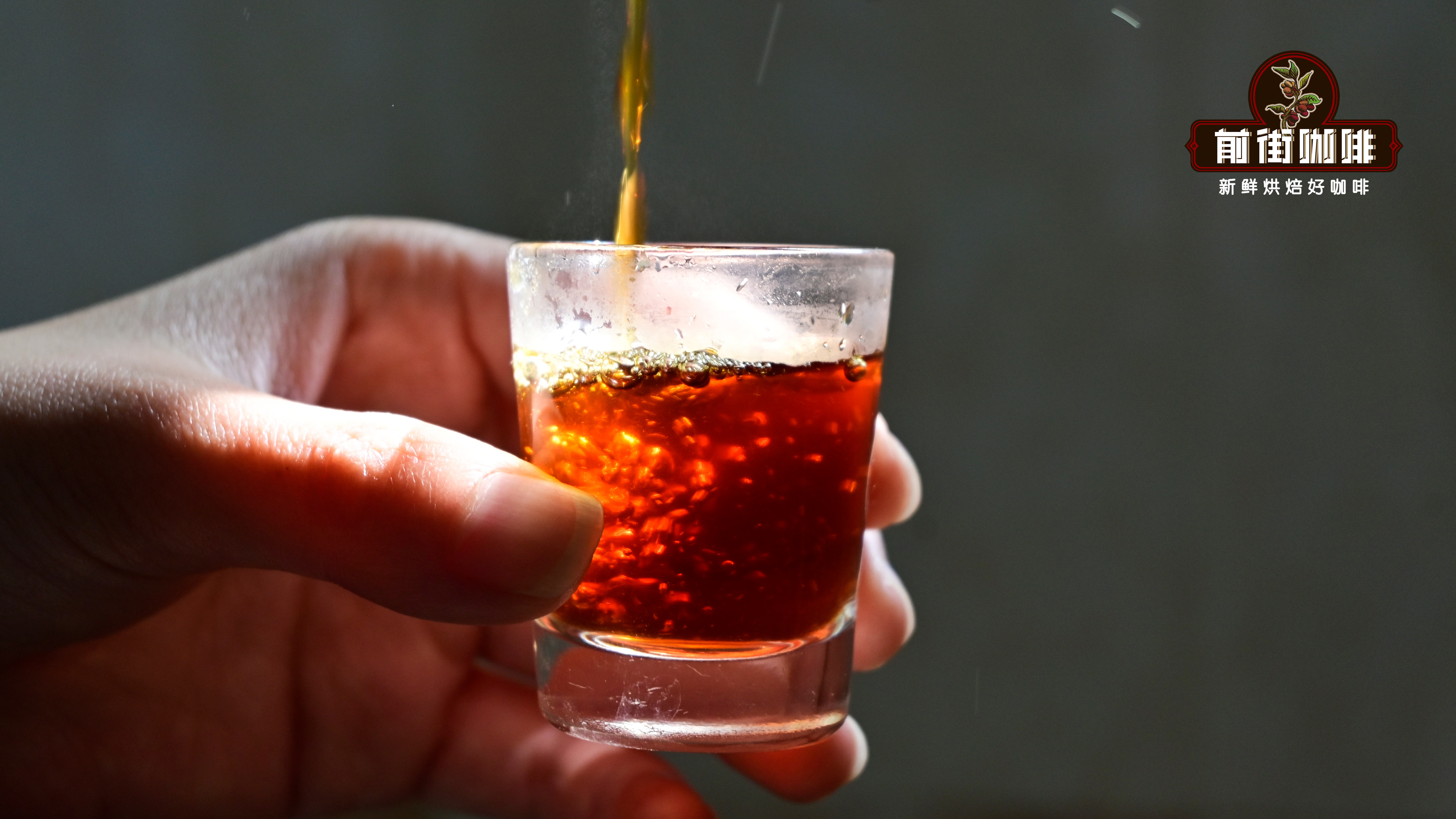
Colombia Finca El Paraiso Sakura Coffee Beans: A Complete Guide to Double Anaerobic Washed Processing and SOE Flavor
The launch of Luckin's Little Black Cup Finca El Paraiso SOE brought this Colombian estate into the public eye. As early as 2019, Finca El Paraiso made a name for itself in the specialty coffee scene with its special processing methods, with its strawberry and cherry blossom series standing out in particular. The Colombian Finca El Paraiso Cherry Blossom coffee beans selected by Front Street Coffee use a double anaerobic washed process, are of the Castillo variety, and in cupping present a complex flavor profile of mugwort, berries, fermented aromas, and strawberry jam. This article will thoroughly break down the whole story of this bean—from the estate's background, variety origins, and processing techniques to the roasting curve and brewing parameters—and explore its performance as an SOE. [more…]
Why Are Colombia Finca El Paraiso Coffee Beans So Highly Regarded? Front Street Cherry Blossom SOE Flavor Analysis
Recently, Luckin Coffee's launch of the Small Black Cup Finca El Paraiso SOE has brought this Colombian estate into the public eye. As early as 2019, Finca El Paraiso made a name for itself in the specialty coffee scene thanks to its special processing methods, with its Sakura Series and Strawberry Series being especially sought after. The Colombia Finca El Paraiso Sakura coffee beans selected by Front Street Coffee use the Castillo variety and a double anaerobic washed process, presenting a unique flavor profile of mugwort, berries, spices, and strawberry jam. This article will guide you through the estate's background, variety characteristics, and processing details, share Front Street's roasting data and brewing suggestions, and finally explore how this bean performs as an SOE, for the reference of coffee enthusiasts. [more…]
Colombian Coffee Beans Washed Processing Method Analysis, Pour-Over Parameter Suggestions, and Price Reference
Colombian coffee beans occupy an important position in the global specialty coffee market thanks to their high-altitude growing environment and refined processing techniques. This article focuses on Front Street Colombian coffee beans, systematically reviewing their regional characteristics, washed processing flow, and variety evolution history, and shares in detail the Hario V60 three-stage pour-over parameters used by Front Street Coffee (FrontStreet Coffee) in daily brewing, including key data such as water temperature, coffee dose, coffee-to-water ratio, and grind size. It also introduces the flavor performance of beans processed by different methods, such as Front Street Rose Valley, Front Street Huayueye, and Isabella, helping coffee enthusiasts gain a more comprehensive understanding of the charm of Colombian coffee and its brewing key points. [more…]
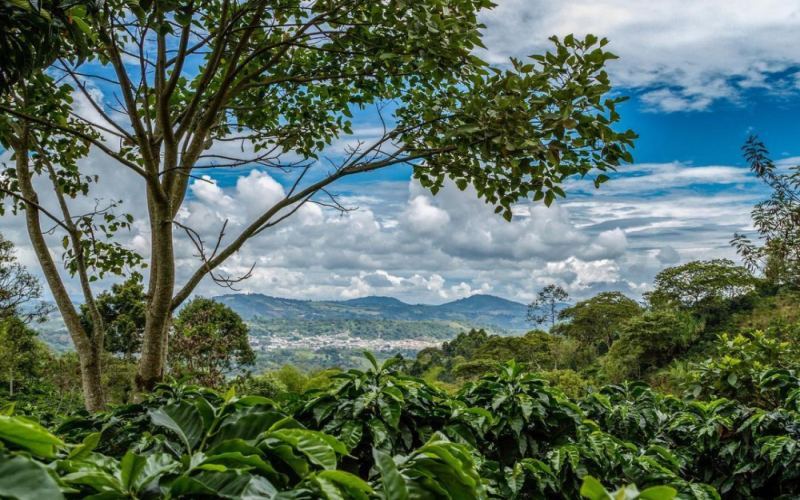
Flavor Analysis and Brewing Parameters of Colombia Finca El Paraiso SOE Double Anaerobic Washed Coffee Beans
Colombia, as the world's third-largest coffee producer, holds a special position in the international coffee market thanks to government regulations restricting the country to growing only Arabica varieties and the support of NFC institutions. Recently, Luckin Coffee launched its Little Black Cup series, featuring a Finca El Paraiso SOE, bringing this estate in the Cauca region into the spotlight. Finca El Paraiso was founded by Diego Samuel in 2008, starting as a small 2.5-hectare family estate, and rose to fame in a regional competition in 2015 through technological innovation. Front Street Coffee's bean list happens to include a Finca El Paraiso Sakura coffee bean, produced using a double anaerobic washed process, of the Castillo variety. This article will provide a detailed interpretation of this bean, covering its regional background, the principles of its processing method, variety characteristics, roasting approach, and pour-over brewing plan. [more…]
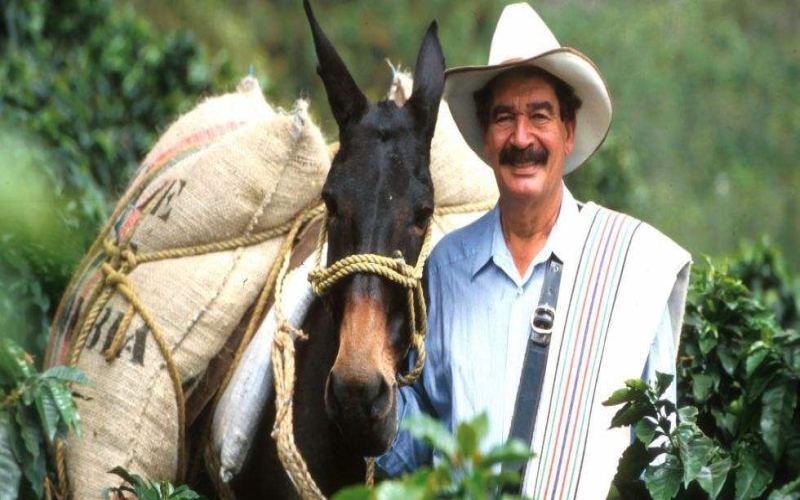
A Complete Guide to Colombia's Coffee Region Classification System, Variety Flavors, and Brewing Recommendations
Colombia, with the unique terroir conditions of the Andes Mountains, has become an important producer of high-quality coffee worldwide. Its coffee-growing regions are widely distributed from north to south, and different areas exhibit distinctive flavor profiles due to differences in altitude, climate, and soil. This article systematically reviews the flavor characteristics of Colombia's main coffee-producing regions such as Medellin, Santander, and Huila, introduces the origins and characteristics of six major varieties—Caturra, Typica, Bourbon, Colombia, Castillo, and Tabi—and details the grading standards based on defect rate and bean size. In addition, it will analyze the effects of processing methods such as washed, anaerobic natural, and anaerobic enzyme-washed on flavor, and include Front Street Coffee's brewing parameters and tasting references, providing coffee enthusiasts with a complete guide to Colombian coffee knowledge. [more…]
A Complete Analysis of Colombian Coffee Regions, Flavors, and Variety Grading: From the MAM Golden Triangle to Huila and Cauca
Colombia, with the advantageous terrain of the Andes Mountains and diverse climates, has become one of the world's most important producers of quality coffee. From the classic MAM Coffee Triangle to Santander in the north and Huila and Cauca in the south, each region presents a distinctly different flavor profile due to differences in altitude, temperature variation, and microclimate. This article systematically reviews the terroir characteristics of Colombia's main coffee-producing regions, the origins and performance of six major cultivated varieties, green bean grading standards, and the effects of processing methods such as washed, anaerobic natural, and anaerobic enzyme-washed on flavor. It also combines Front Street Coffee's bean list products such as Rose Valley, Huila everyday beans, and Huayueye to provide specific brewing parameters and flavor descriptions, helping coffee enthusiasts fully understand the diverse charm of Colombian coffee. [more…]
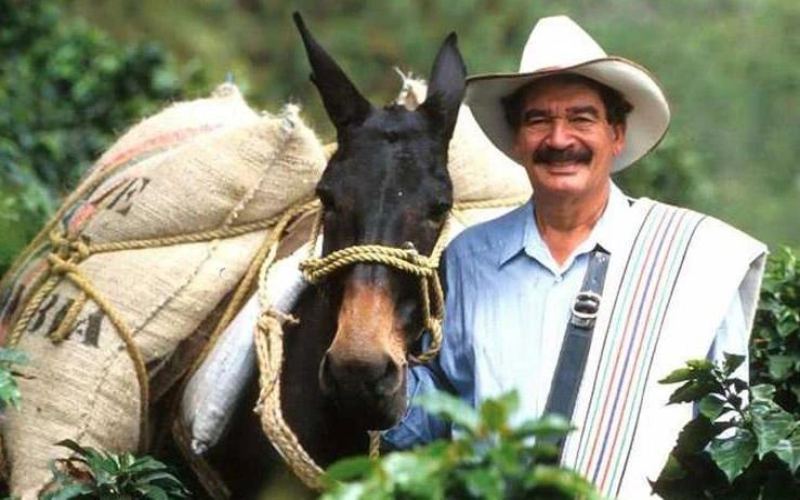
A Comprehensive Analysis of Colombian Coffee Regions: Flavor, Varieties, Processing Methods, Grade Classification, and Comparison
Colombia, as a global powerhouse of specialty coffee, boasts distinctive flavors across its various producing regions. From the perspective of Front Street Coffee, this article systematically reviews the geographical environments, variety characteristics, and processing method differences of Colombia's main producing regions (Santander, Huila, Cauca, etc.), comparing the effects of washed, anaerobic double enzyme washed, and anaerobic natural processing methods on flavor. It also introduces the origins, estates, altitudes, varieties, and flavor descriptions of Front Street Coffee's representative products—Colombia Rose Valley, Hanami Geisha Blend, and Sakura Coffee Beans—along with recommended brewing parameters. The article is comprehensive and suitable for coffee enthusiasts seeking an in-depth understanding of Colombia's diverse coffee charm. [more…]
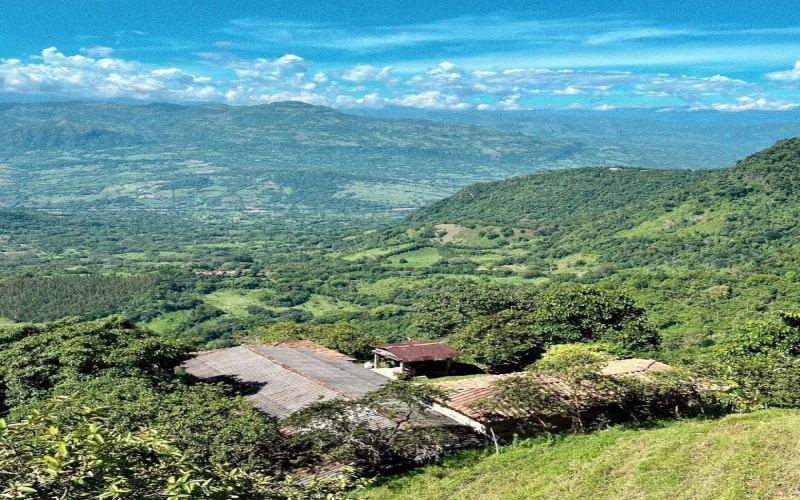
A Full Analysis of the Flavor Characteristics of Colombian Huila Region Coffee Beans and the Functions of the FNC
Colombia, as the world's third-largest coffee exporter, is renowned for producing smooth, balanced Arabica coffee, hailed as "green gold." Its Huila region, with the volcanic soil of the Andes and its high-altitude microclimate, has become a hallmark of specialty coffee. This article systematically introduces the history of Colombian coffee cultivation, variety selection and breeding, washed processing, the characteristics of major producing regions, and the grading system, while also providing an in-depth interpretation of the roles of the Colombian Coffee Growers Federation (FNC) and the National Coffee Research Center (CENICAFE). It also includes Front Street Coffee's roasting recommendations, offering coffee lovers a complete understanding from origin to cup. [more…]
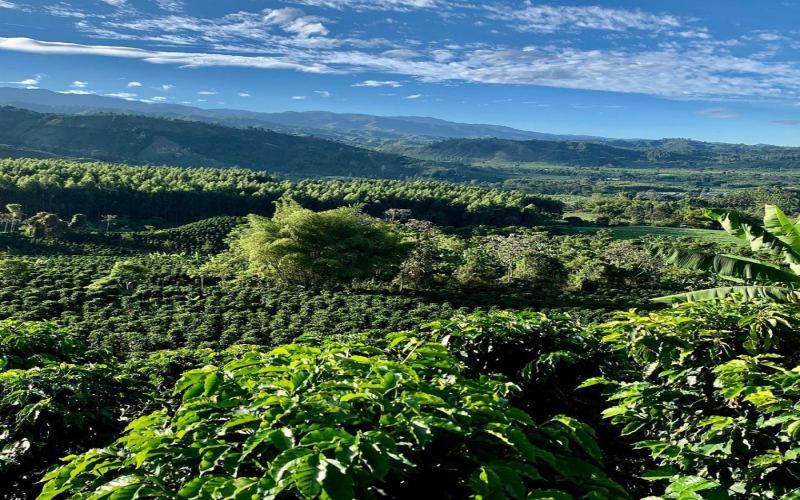
A Comprehensive Analysis of Colombian Arabica Coffee Beans: Origins, Flavor Profiles, Grading Systems, and Processing Methods
Colombia is the world's third-largest coffee producer. Thanks to the diverse microclimates of the Andes and its high-altitude growing environment, it cultivates coffees with soft fruity acidity, nutty aromas, and excellent balance. From the classic Medellín, Armenia, and Manizales to Huila, Cauca, and Nariño in the south, each producing region presents a distinctly different flavor profile. This article systematically reviews the main characteristics of Colombia's Arabica coffee regions, variety composition, washed and specialty processing methods, and the grading system based on screen size, and also includes brewing parameters and flavor descriptions for several Colombian beans from Front Street Coffee, helping coffee lovers gain a comprehensive understanding of this major South American coffee country. [more…]
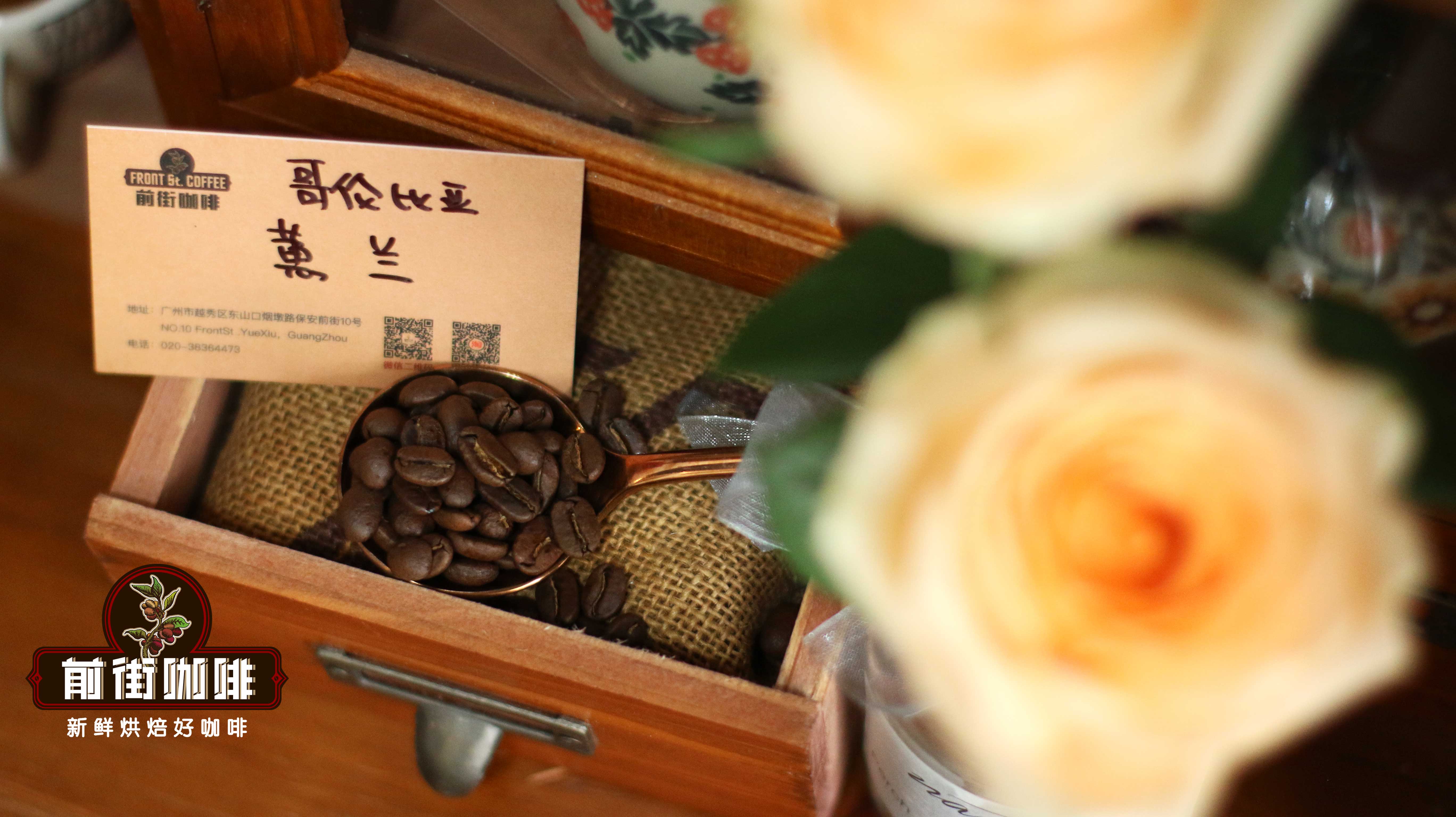
Colombian Coffee Flavor Analysis and Pour-Over Guide: A Complete Tasting Approach from Origin to Processing Method
Colombian coffee occupies an important place in the global specialty coffee landscape, known for its balanced, smooth mouthfeel and rich layers of flavor. Starting from the overall characteristics of Colombian coffee, this article systematically sorts out the flavor differences among the main producing regions, the features of various processing methods, and the background of varieties such as Caturra, Catuai, and Castillo. At the same time, Front Street Coffee will share the specific parameters and brewing technique for V60 pour-over Colombian beans, helping coffee enthusiasts better understand and appreciate the unique charm of Colombian coffee. [more…]
Colombian Coffee's Volcanic Terroir and Processing Methods: A Comprehensive Analysis from the Huila Region to Anaerobic Fermentation
Colombia, with its high mountains and flowing water, volcanic fertile soil, and abundant rainfall, is regarded as a natural treasure trove for coffee cultivation. Between 2008 and 2011, the country's coffee won the championship four years in a row at the SCAA Cup of Excellence competition, a record that even surpassed Panama Geisha's BOP three-peat. This article will take an in-depth look at the terroir characteristics of Colombia's major specialty coffee regions, covering Huila, Tolima, Cauca, and Nariño, and will focus on key varieties such as Caturra, Colombia, and Castillo. At the same time, Front Street Coffee will use a practical comparison of Flower Moon Night and Rose Valley to help you understand the specific effects of washed, anaerobic natural, and double anaerobic enzyme-washed processing methods on flavor direction. [more…]
A Detailed Guide to Colombian Specialty Coffee Varieties, Regions, and Processing Methods, Plus Front Street Coffee's Recommended Bean List
Colombia, with its low latitude, high altitude, and diverse terrain, has become an important origin for specialty coffee worldwide. Front Street Coffee currently offers seven Colombian single-origin beans, covering Rose Valley, Flower Moon Night, Big Belly Button, Sidra, Hacienda La Esperanza Geisha, decaf beans, and Huila everyday beans. This article will systematically review the characteristics of Colombia's main cultivated varieties—Caturra, Castillo, Pink Bourbon, and Geisha—analyze the terroir conditions of specialty regions such as Huila, Cauca, Nariño, and Tolima, and introduce processing methods including washed, semi-washed, anaerobic natural, and anaerobic enzyme-washed. Finally, it will include Front Street's roasting curves, cupping flavors, and brewing parameter recommendations for each bean. [more…]
A Complete Analysis of Colombian Coffee Regions, Flavors, and Varieties: From Huila and Cauca to Front Street Brewing Methods
Colombia, with its diverse landscapes of low latitude and high altitude, has become an important producing country for specialty coffee. This article systematically reviews the characteristics of the country's main cultivated varieties such as Caturra, Castillo, Pink Bourbon, and Geisha, explains in detail the terroir differences of southern specialty regions such as Huila, Cauca, Nariño, and Tolima, and introduces how processing methods such as washed, semi-washed, anaerobic natural, and anaerobic enzyme-washed shape flavor. The seven Colombian beans offered by Front Street Coffee include Rose Valley, Flower Moon Night, and everyday beans, and the article also provides roasting curves, cupping performance, and V60 three-pour brewing parameters, offering coffee enthusiasts a complete reference from understanding producing regions to practical brewing. [more…]

An Analysis of Colombian Coffee Regions, Varieties, and Processing Methods, with Front Street Coffee Pour-Over Flavor Descriptions
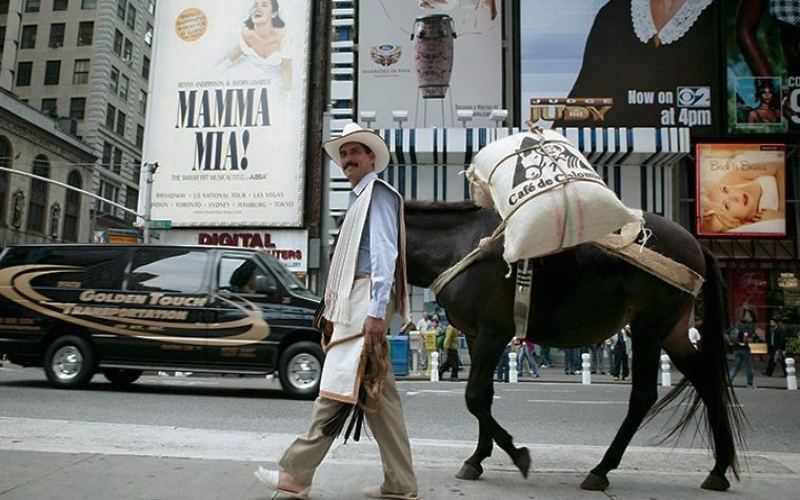
Colombian coffee is renowned for its balanced sweetness and aroma, with a pleasant acidity, mild bitterness, and the ability to shine as a pour-over single origin that showcases its terroir, while also frequently appearing in espresso blends. The high-altitude growing zones along the Andes, abundant rainfall, and an average annual temperature of around 18°C provide ideal conditions for coffee trees. Since its founding in 1927, FNC (the Colombian Coffee Growers Federation) has continuously promoted quality improvement and international marketing, shaping the classic image of "Juan Valdez." This article will outline the characteristics of Colombia's main producing regions—Huila, Cauca, Nariño, and Santander—introduce varieties such as Typica, Bourbon, Caturra, and Castillo, explain washed, anaerobic natural, and anaerobic enzyme-washed processing methods, and provide brewing suggestions and flavor descriptions based on several Front Street Coffee bean offerings. [more…]
An Analysis of Colombia's Coffee Growing Regions and Harvest Seasons: A Comprehensive Introduction to Varieties, Flavors, and Processing Methods
Colombia is the world's third-largest coffee exporter and the largest exporter of Arabica beans and washed beans, hailed as "green gold." This article systematically reviews Colombia's coffee-growing regions, harvest season patterns, main varieties and processing methods, and introduces representative regions one by one, including Santander, Antioquia, Tolima, Huila, Cauca, and Nariño. Colombian coffee is known for its silky, balanced taste, with family-run operations and volcanic soil giving it a unique quality. The article also covers the functions of the FNC and CENICAFE, green bean grading standards, and competition mechanisms such as the Cup of Excellence in Cauca, making it suitable for coffee enthusiasts to gain a comprehensive understanding of Colombian coffee's terroir and the industry as a whole. [more…]

Why Is Colombian Coffee Praised as Green Gold? A Full Analysis of Huila Region Flavors and Brewing
As the world's second-largest coffee producer and the largest exporter of washed Arabica beans, Colombia is renowned for its silky, balanced coffee, praised as "green gold." From the volcanic soils of the Andes to meticulous family farming, from the evolution of varieties like Caturra and Castillo to its distinctive washed processing, the allure of Colombian coffee goes far beyond this. This article will take an in-depth look at the flavor characteristics of specialty regions such as Huila, Colombia, sort out the distribution of producing regions, variety iteration, and processing details, and include Front Street Coffee's brewing suggestions along with several Colombian bean recommendations, giving you a comprehensive understanding of the charm of this South American coffee kingdom. [more…]
A Complete Guide to Colombian Specialty Coffee Regions: Harvest Seasons, Flavor Profiles, Varieties, and Processing Methods
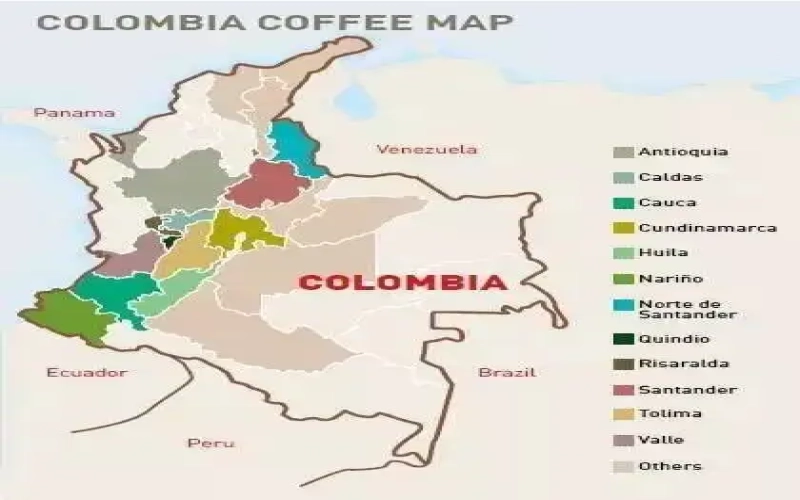
Colombia is the world's third-largest coffee exporter and the largest exporter of Arabica beans and washed beans. This article systematically reviews the core knowledge of Colombian specialty coffee: starting from the terroir conditions of the three major producing regions in the Andes Mountains, it explains in detail the differences between the northern and southern harvest seasons and the harvest time windows, introduces major varieties such as Caturra, Bourbon, and Castillo as well as the history of disease-resistant breeding, analyzes the unique characteristics of household washed processing, and examines one by one the flavor characteristics of well-known producing regions such as Santander, Huila, Cauca, and Nariño. The article also includes the producing region information and brewing flavors of several Colombian beans from Front Street Coffee, providing coffee enthusiasts with a complete framework for understanding Colombian coffee. [more…]
Why is Colombian coffee regarded as a top choice? A full analysis of origin terroir, varieties, processing, and brewing
As the world's third-largest coffee exporter, Colombia—blessed with exceptional volcanic soil and a family-farming tradition—produces a balanced, smooth, and highly acclaimed Arabica coffee. From Huila in the south to Santander in the north, and from varieties such as Caturra, Castillo, and Geisha, different regions and processing methods interweave rich layers of berry, nut, caramel, and floral notes. Front Street Coffee will guide you through an in-depth look at Colombia's coffee-growing regions, harvest seasons, variety evolution, and brewing suggestions, and recommend a selection of representative beans to help you fully grasp the unique charm of this South American coffee kingdom. [more…]